Algae Removal in DFW: How to Get Rid of Green and Black Stains on Your Home
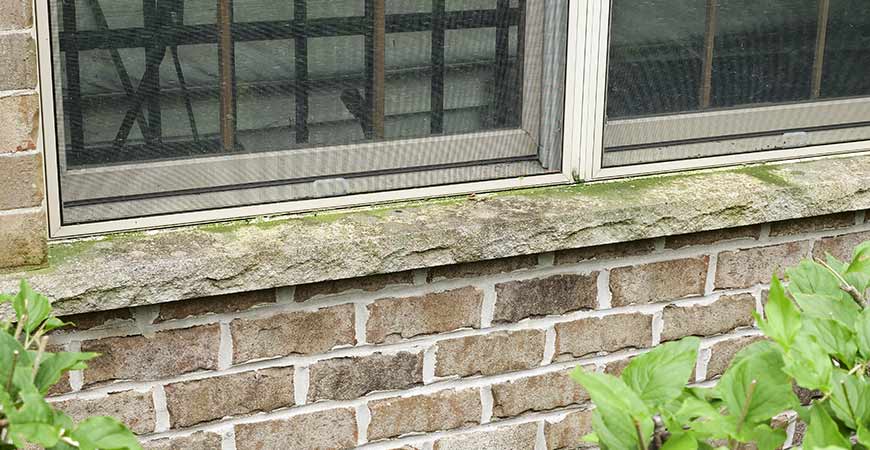
If you have noticed green, black, or dark brownish stains creeping across your driveway, siding, roof, fence, or patio, you are looking at algae — and it is doing more damage than it appears. Algae is one of the most common and most misunderstood problems affecting homes across the Dallas–Fort Worth area. Most homeowners either do not know what it is, assume it is just dirt or weathering, or know it is algae but do not realize how aggressively it spreads and how much damage it causes to the surfaces it colonizes.
Professional algae removal in DFW is not just a cosmetic service. It is a protective measure that extends the life of your home's surfaces, eliminates genuine safety hazards, and stops the spread of an organism that will keep growing and causing damage until it is properly treated and removed. This guide covers everything DFW homeowners need to know about algae — what it is, where it grows, what it does to your home's surfaces, and how professional algae removal eliminates it completely.
What Exactly Is Algae and Why Does It Love DFW
Algae is a broad category of simple organisms that thrive in environments with moisture, warmth, and organic material to feed on. Several types of algae commonly colonize home exterior surfaces, and the Dallas–Fort Worth climate creates near-perfect conditions for all of them.
DFW's combination of intense summer heat, high humidity, heavy spring rainfall, and warm temperatures that persist well into fall means that algae growing conditions exist for the majority of the year. Unlike many parts of the country where cold winters kill off algae growth and give exterior surfaces a seasonal reset, DFW's mild winters allow algae to persist year-round and accumulate continuously without interruption.
The most common type of algae affecting DFW home exteriors is Gloeocapsa magma — a cyanobacteria that produces a dark pigmented coating as protection against UV rays. This is the organism responsible for the black and dark gray streaking on roofs, concrete, and siding that is so widespread across DFW neighborhoods. There is also the green algae that appears on shaded concrete, fences, and patios, and the combined growth of algae with mold and mildew that creates the dark, slimy buildup common in areas with poor drainage or constant moisture exposure.
All of these organisms share one characteristic that makes professional algae removal in DFW essential — they do not go away on their own. Without treatment, algae colonies grow larger, spread to adjacent surfaces, and cause progressively more damage the longer they are left in place.
Where Algae Grows on DFW Home Exteriors
Algae can colonize virtually any exterior surface on your property, but certain areas are more susceptible than others based on moisture exposure, shade, and surface material.
Roofs
Roof algae is one of the most widespread problems in DFW and one of the most damaging. The dark streaking that runs down asphalt shingle roofs across the area is almost always Gloeocapsa magma algae. It feeds directly on the limestone granules in shingles, degrading the roofing material and shortening the life of the roof. Shaded portions of roofs and north-facing slopes are typically the first areas to show algae growth because they retain moisture longer.
Concrete Driveways and Walkways
Green algae growth on concrete is extremely common in DFW, particularly in areas that receive shade from trees or the home itself. Algae on concrete does not just look bad — it creates a slippery surface that becomes genuinely dangerous when wet. Many slip and fall accidents on residential properties are caused directly by algae growth on driveways, sidewalks, and walkways that was never properly addressed.
Home Siding
Algae on siding appears as green streaking or dark discoloration, most commonly on the north and shaded sides of the home where moisture lingers. On vinyl siding, algae bonds to the surface and discolors it over time. On wood siding, algae penetrates the material and contributes to deterioration from the inside out.
Patios and Pool Decks
Patios and pool decks in shaded areas or near landscaping are prime locations for algae growth. Pool decks with algae are a particular safety concern — wet algae on a pool deck surface near water is an extremely high slip hazard that needs to be addressed promptly and thoroughly.
Fences
Wood fences develop algae growth that contributes to the graying, discoloration, and surface degradation that makes fences look far older than they are. Algae on wood fences holds moisture against the wood surface continuously, accelerating rot and structural deterioration.
Retaining Walls and Stone Features
Stone and concrete retaining walls, columns, and decorative features develop algae and moss growth that discolors the surface and works into the pores of the material over time. Left untreated, biological growth on stone features can cause surface spalling and long-term structural degradation.
Why Algae Is More Dangerous Than It Looks
The appearance of algae on your home's exterior surfaces is just the visible symptom of a problem that extends deeper than the surface level. Here is what algae is actually doing to your home while it sits there looking like a cosmetic issue.
On roofs, algae feeds on shingle granules — the protective layer that gives asphalt shingles their weather resistance and longevity. A roof with active algae growth is losing its protective layer continuously, which means it will need replacement sooner than a properly maintained roof. In DFW where roof replacement is a significant expense, this is a serious financial concern.
On concrete surfaces, algae penetrates the pores of the concrete and contributes to surface deterioration over time. Freeze-thaw cycles — which do occur occasionally in DFW — cause moisture that has been driven into concrete by algae growth to expand and contract, contributing to surface cracking and spalling.
On wood surfaces including fences, decks, and wood siding, algae holds moisture against the material and creates conditions for rot, mold penetration, and structural degradation that significantly shortens the lifespan of the wood.
On all surfaces, algae creates a progressively worsening appearance problem. Algae colonies do not stay the same size — they grow and spread continuously, covering larger areas and becoming more visually impactful over time. What starts as a small green patch in a shaded corner of the patio becomes a widespread discoloration problem across the entire surface within one to two seasons if left untreated.
Why Professional Algae Removal Gets Results That DIY Cannot
This is one area where the difference between professional and DIY results is particularly significant. Many DFW homeowners attempt to address algae with consumer cleaning products, bleach solutions, or rental pressure washers — and most of them are disappointed with the results. Here is why.
Surface Treatment Alone Is Not Enough
Algae is not just sitting on top of your surfaces. It is embedded in them. Consumer cleaning products and basic pressure washing can remove the visible surface layer of algae temporarily, but without professional-grade treatment solutions that penetrate and kill the algae at the root level, the growth returns quickly — often within weeks. Professional algae removal in DFW uses cleaning solutions formulated specifically to kill algae completely rather than just suppress it temporarily.
Wrong Pressure Causes Damage
The instinct when dealing with stubborn algae stains is to use more pressure. But excessive pressure on the wrong surface — roofing shingles, vinyl siding, wood fencing, or decorative concrete — causes damage that is often more expensive to address than the algae itself. Professional algae removal uses calibrated pressure appropriate for each specific surface type, combined with the right chemical treatment, to achieve complete removal without any surface damage.
Even Coverage Requires Professional Equipment
Consumer pressure washers deliver uneven pressure through a wand that creates streaking patterns and missed areas. Professional equipment with surface cleaning attachments delivers consistent, even treatment across the entire surface — ensuring complete algae removal with no patchy results.
The Dirt Defense Approach to Algae Removal in DFW
At Dirt Defense Pressure Washing, algae removal is one of our core specialties across the Dallas–Fort Worth area. Our approach combines the right treatment solutions with the right equipment and technique for each specific surface and algae type.
Every algae removal job starts with a surface assessment to identify the type of algae present, the extent of the growth, and the material being treated. We then apply professional-grade cleaning solutions that are formulated to kill algae at the root level — not just remove the visible surface growth. These solutions are eco-friendly and safe for your landscaping, family, and pets while being highly effective against algae, mold, and mildew.
For surfaces that require soft washing — roofs, siding, wood fences, and painted surfaces — we apply our treatment at low pressure and allow it to dwell before a gentle rinse that removes the treated algae completely. For hard surfaces like concrete, driveways, and patios, we combine pre-treatment with professional surface cleaning equipment to deliver a thorough, even clean that removes algae and restores the surface appearance.
We are fully licensed and insured, our pricing is always transparent and upfront, and we do not leave a job until the results meet our standards and yours. Our 4.9-star Google rating from DFW homeowners reflects the consistent quality we bring to every algae removal job across the area.
How Often Should DFW Homeowners Schedule Algae Removal
Because DFW's climate supports algae growth year-round, the answer depends on the specific surface and its exposure conditions. For roofs, professional algae treatment every one to three years is the standard recommendation depending on tree coverage and shade exposure. For concrete driveways, patios, and walkways, annual professional cleaning is typically sufficient to keep algae under control. For fences and siding, annual cleaning combined with attention after particularly wet seasons keeps biological growth from establishing and spreading.
The most important factor is not waiting until algae growth is visually severe before addressing it. By the time algae staining is dramatic and widespread, it has already been causing damage for a significant period of time. Regular professional algae removal in DFW keeps growth from reaching that point and protects your surfaces continuously.

Algae is not just an eyesore — it is actively damaging your home's surfaces right now. Dirt Defense Pressure Washing provides professional algae removal throughout the Dallas–Fort Worth Metroplex, eliminating green and black staining from roofs, concrete, siding, fences, patios, and every exterior surface on your property. Request your free quote today at dirtdefensepw.com and let's get rid of it for good.
Give your home or business the care it deserves. Request a free quote now and let Dirt Defense provide spotless results with unmatched reliability.