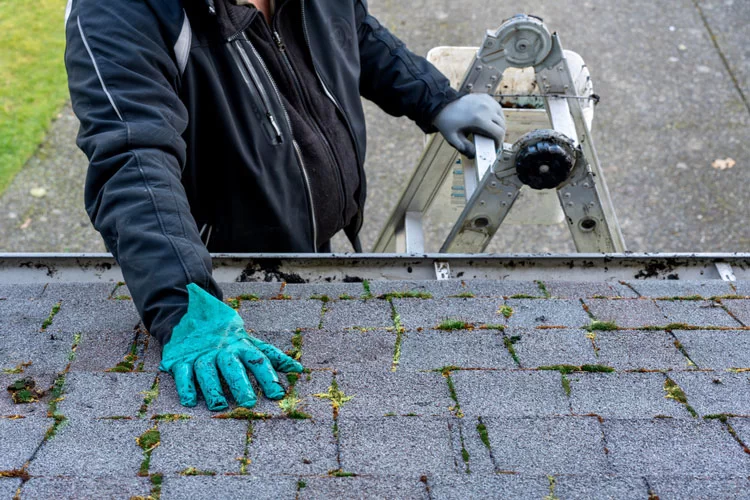
When homeowners see green, black, or dark streaks on siding, concrete, or roofs, they often assume it’s mold. In reality, most exterior staining is caused by algae, not mold.
Understanding the difference matters because algae and mold behave differently and require different cleaning approaches. Treating the wrong problem often leads to stains returning quickly.
Algae is a plant-like organism that thrives in moist, shaded environments. It feeds on sunlight and airborne nutrients and spreads easily across exterior surfaces.
Algae commonly appears as:
It grows quickly but stays mostly on the surface, which makes proper treatment very effective.
Mold is a fungus that feeds on organic material and moisture. While mold can grow outdoors, it’s far more common indoors where humidity is trapped.
Exterior mold usually appears:
Mold requires moisture to survive and often indicates underlying water issues.
In most exterior cases, algae is the culprit — especially on siding, roofs, sidewalks, and driveways. It thrives in humid climates and shaded areas where surfaces stay damp.
Algae spreads quickly and creates staining that looks severe but is very treatable when handled correctly.
Pressure washing may remove visible staining, but it rarely kills algae or mold spores. This is why stains often return within months after cleaning.
High pressure can also:
Effective removal requires treating the growth at the root.
Professional exterior cleaning uses low-pressure treatments designed to break down algae and neutralize spores. The solution does the work instead of force.
Once treated, algae releases from the surface and is gently rinsed away, leaving a cleaner surface that stays clean longer.
When mold is present, professionals focus on eliminating moisture sources in addition to cleaning. Removing mold without addressing moisture allows it to return.
Proper identification ensures the correct treatment plan is used.
These growths are most often found on:
Treating all affected areas prevents uneven results.
Correct treatment stops regrowth.
Avoids damage from improper pressure.
Removes slippery buildup on walkways.
Eliminates trial-and-error cleaning.
Moisture, shade, and organic residue create the perfect environment for regrowth. Without proper treatment, spores remain behind and reactivate quickly.
Professional cleaning addresses both the growth and the conditions that allow it to return.
Once homeowners understand that algae and mold require chemical treatment — not force — cleaning becomes far more effective.
The right approach delivers results that last instead of temporary improvement.

If exterior stains keep returning despite pressure washing, professional identification and treatment can finally solve the issue.
Schedule a free consultation today and remove algae or mold the right way — safely and effectively.
Give your home or business the care it deserves. Request a free quote now and let Dirt Defense provide spotless results with unmatched reliability.