Driveways take more abuse than almost any other exterior surface. Vehicle weight, oil leaks, dirt, moisture, and weather exposure all combine to wear concrete down over time.
Many homeowners assume cracks and discoloration are simply signs of age, but in many cases, buildup and moisture are accelerating the damage. Professional driveway pressure washing helps slow this process.
Driveway deterioration usually comes from a combination of factors, including:
When these elements sit on concrete, they weaken the surface gradually.
Concrete is porous, which means it absorbs water easily. When moisture sits on the surface or penetrates the slab, it increases the risk of cracking and surface breakdown.
Algae and grime hold moisture against the driveway, preventing it from drying properly. Pressure washing removes this moisture-trapping buildup.
Pressure washing isn’t just about making a driveway look better — it’s about removing harmful contaminants before they cause damage.
Professional driveway pressure washing:
This preventative care slows deterioration and extends driveway life.
DIY pressure washing often focuses on speed instead of technique. Using too much pressure can etch concrete, making it rougher and more prone to staining.
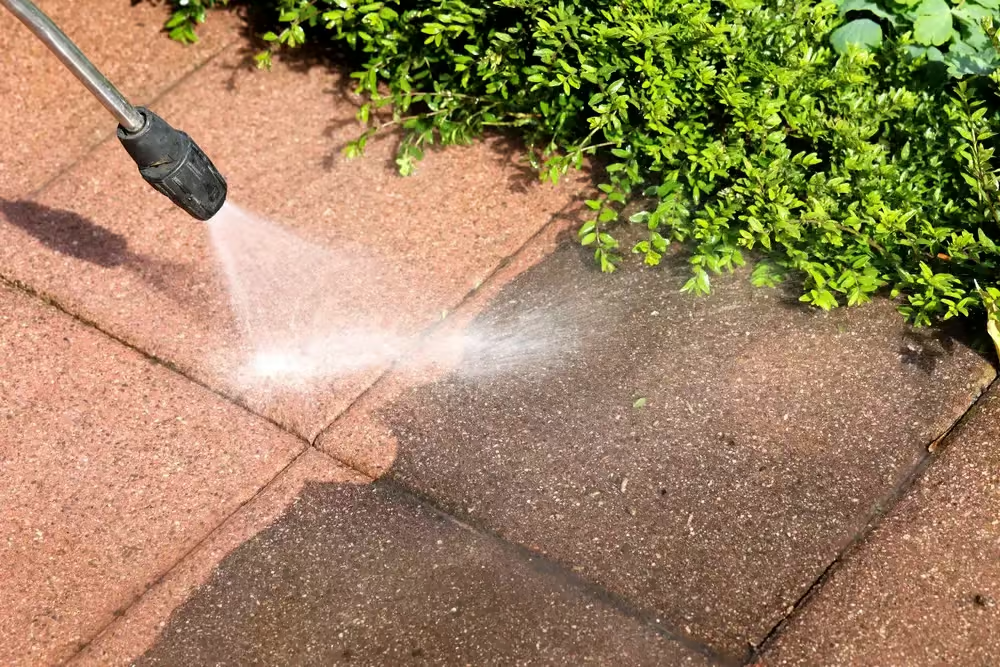
Professional services use surface cleaners and controlled pressure to clean evenly without damaging the concrete.
Professionals start by applying treatments to break down oil, organic growth, and residue. Surface cleaners ensure even coverage, preventing streaks and striping.
Controlled pressure lifts contaminants safely, restoring a clean, uniform appearance.
Removing buildup slows surface breakdown.
Clean driveways instantly boost curb appeal.
Algae removal increases traction.
Cracks and damage are easier to spot on clean concrete.
Most driveways benefit from pressure washing once per year. High-traffic or shaded driveways may require cleaning every 6–9 months.
Routine cleaning prevents heavy staining and moisture retention.
Replacing a driveway is expensive. Pressure washing costs a fraction of replacement and helps delay the need for major repairs.
Regular maintenance keeps driveways functional and attractive for years longer.
After cleaning, addressing oil leaks, adjusting sprinklers, and managing runoff helps maintain results.
Some homeowners also choose sealing for added protection, especially after deep cleaning.
A well-maintained driveway not only looks better but also protects the investment in your home. Pressure washing is one of the simplest ways to preserve concrete without major expense.
Preventative care always costs less than corrective repairs.

If your driveway looks stained, dark, or slippery, professional driveway pressure washing can restore appearance and help extend its lifespan.
Schedule a free consultation today and protect your driveway before damage becomes permanent.
Give your home or business the care it deserves. Request a free quote now and let Dirt Defense provide spotless results with unmatched reliability.