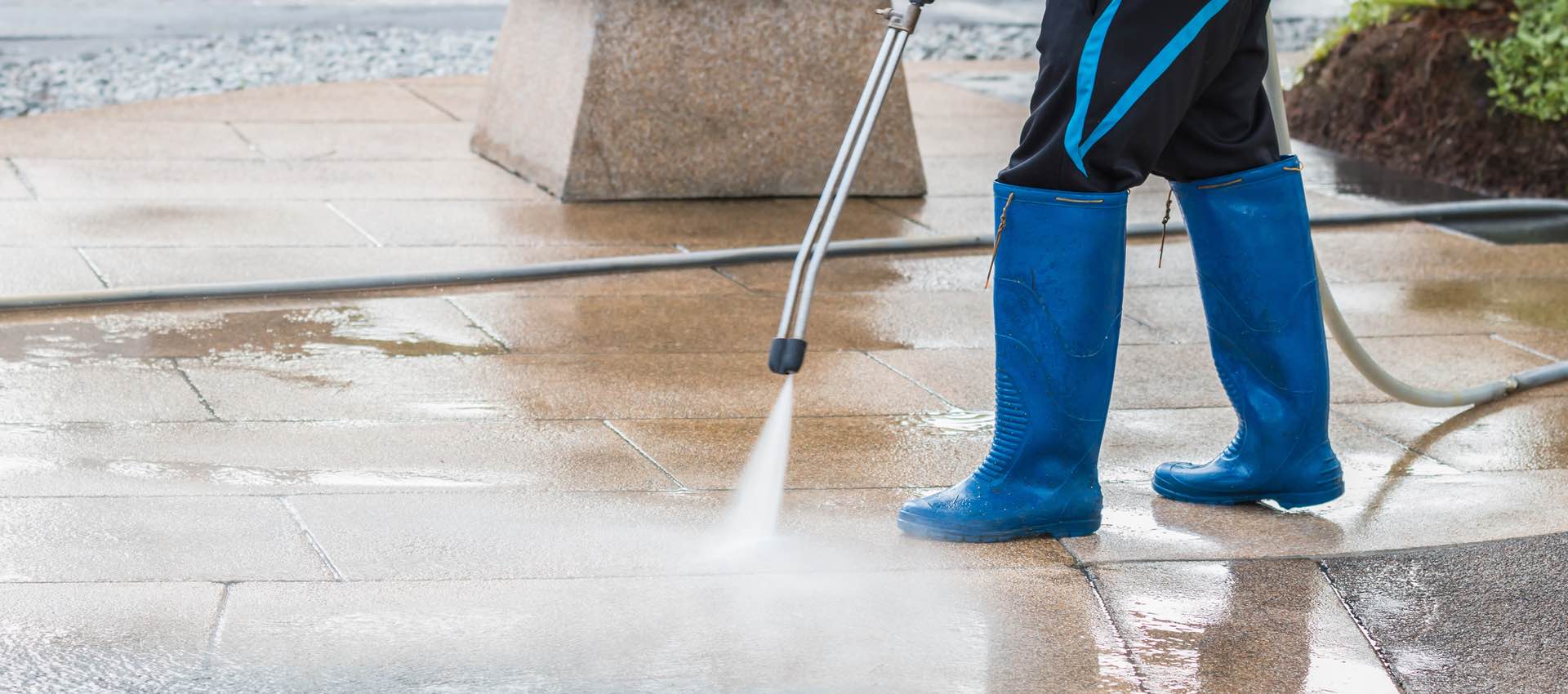
After pressure washing, concrete looks brighter, smoother, and almost new. But many homeowners are surprised when stains start reappearing faster than expected.
That’s because concrete is naturally porous. Once it’s cleaned, those open pores are exposed and ready to absorb moisture, dirt, and stains again unless they’re protected.
This is where concrete sealing becomes an important conversation.
Pressure washing removes dirt, organic growth, and residue — but it also opens up the surface pores of concrete. These pores act like tiny sponges.
Without protection, concrete quickly absorbs:
This absorption is why stains often return faster after a deep clean.
Concrete sealing involves applying a protective barrier that reduces how much moisture and contamination the surface can absorb. The sealer doesn’t change the structure of the concrete — it protects it.
Sealants are designed to:
Sealing is about preservation, not appearance alone.
Concrete sealing is especially beneficial for:
These surfaces face constant moisture and exposure, making them prime candidates for sealing.
Sealing is most effective when concrete is freshly cleaned and fully dry. At this point, pores are open but free of contaminants, allowing the sealer to bond properly.
Sealing dirty concrete traps stains underneath, which is why timing matters.
Not all concrete needs sealing immediately. Some homeowners prioritize appearance over long-term protection, while others may plan to seal later.
However, skipping sealing means accepting that stains and buildup will return faster — especially in high-moisture areas.
DIY sealers are often applied incorrectly, too thick, or to surfaces that aren’t properly prepared. This can lead to:
Professional sealing ensures correct application and proper surface prep.
Sealed concrete resists moisture and staining, which means:
This makes sealing a long-term maintenance strategy.
Concrete lasts longer with less surface damage.
Moisture and contaminants don’t absorb as easily.
Reduced algae growth improves traction.
Future cleaning requires less effort.
Most concrete sealers last 1–3 years, depending on traffic, exposure, and surface type. High-traffic areas may require reapplication sooner.
Routine inspections help determine when resealing is needed.
Concrete sealing won’t stop all staining forever, but it dramatically slows down the process. Preventative protection always costs less than corrective restoration.
When combined with routine cleaning, sealing keeps concrete looking better for longer.

If your concrete was just pressure washed and you want results to last, sealing may be the next smart step.
Schedule a free consultation today to see whether concrete sealing makes sense for your surfaces and long-term maintenance goals.
Give your home or business the care it deserves. Request a free quote now and let Dirt Defense provide spotless results with unmatched reliability.