Many homeowners invest in fence staining or sealing only to watch it fade, peel, or discolor within a year. In most cases, the issue isn’t the stain — it’s the surface underneath.
Dirt, algae, and mildew block stain from bonding properly. Professional fence cleaning removes this barrier and ensures finishes penetrate the wood evenly and last longer.
Even fences that “don’t look that dirty” often have buildup you can’t see at first glance, including:
If this buildup isn’t removed, stain sits on top instead of soaking in.
High pressure is one of the biggest mistakes made during fence prep. Excessive pressure can:
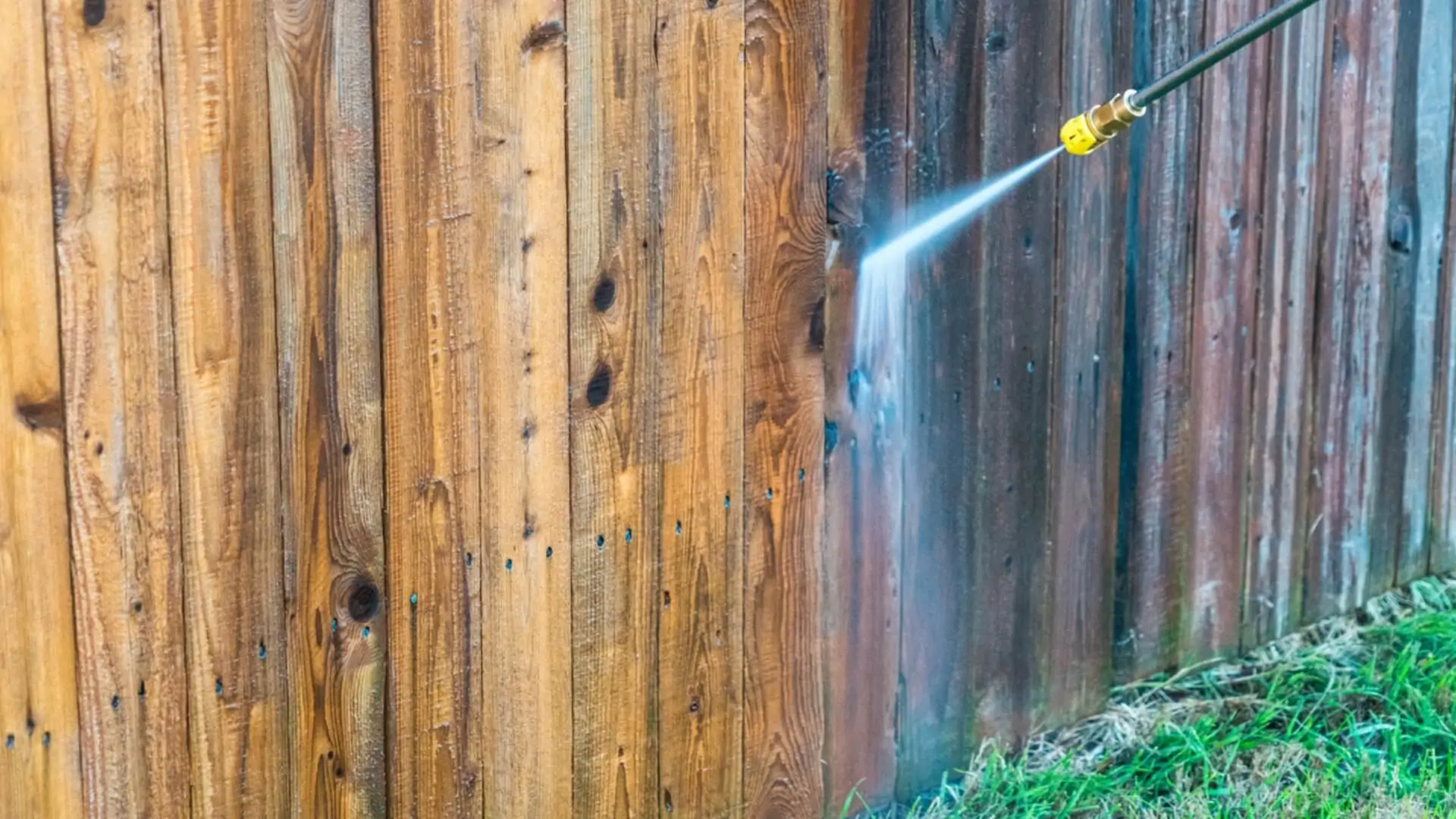
Fence cleaning before staining requires low pressure and proper treatment, not force.
Professional fence cleaning uses wood-safe solutions that break down algae, mildew, and dirt at the root.
Once treated, buildup releases naturally and is gently rinsed away, leaving wood clean, intact, and ready to absorb stain evenly.
This creates the ideal surface for long-lasting results.
Dirty wood absorbs stain unevenly. Some boards soak it up, while others repel it — resulting in blotchy, inconsistent color.
Proper fence cleaning:
Clean wood produces predictable, professional results.
Allows stain to penetrate properly.
Delivers even, rich color.
Prevents pressure-related damage.
Reduces need for early re-staining.
Professional cleaning is essential for:
All wood benefits from proper prep.
Fences should typically dry 24–72 hours after cleaning before staining, depending on weather and wood type.
This allows moisture to escape while keeping pores open for optimal absorption.
DIY prep often involves pressure washing or skipping treatment entirely. This causes:
Professional cleaning eliminates guesswork and protects your investment.
Stain applied to clean wood looks richer, more uniform, and more natural. The fence doesn’t just look darker — it looks newer and healthier.
Many homeowners are surprised how much difference cleaning makes before staining even begins.
Professional fence cleaning removes organic growth at the root instead of just surface grime. This prevents growth from resurfacing under the stain.
Correct technique also avoids damage that accelerates future wear.
Staining without cleaning is like painting over dirt — it might look okay briefly, but it won’t last.
Fence cleaning is the foundation that determines whether staining protects the fence or wastes money.

If you’re preparing to stain or seal your fence, professional fence cleaning ensures the finish looks better and lasts longer.
Schedule a free consultation today and prepare your fence the right way — clean, protected, and ready for long-term results.
Give your home or business the care it deserves. Request a free quote now and let Dirt Defense provide spotless results with unmatched reliability.