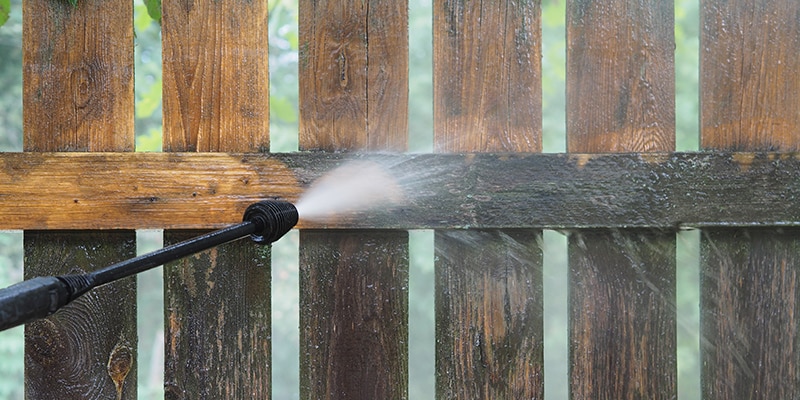
Fences take constant abuse from sun, rain, sprinklers, and soil contact. Over time, dirt and organic growth build up, causing fences to look gray, green, or streaked.
Many homeowners assume this means the fence is worn out. In reality, most fences simply need proper cleaning — not replacement.
Fence staining usually comes from a mix of environmental exposure and moisture. Common causes include:
These contaminants bond to fence surfaces and slowly change their color.
Fences often sit in shaded, damp areas with limited airflow. Moisture lingers longer on vertical boards, creating ideal conditions for mildew growth.
Without treatment, mildew spreads from board to board, creating uneven staining that worsens over time.
High pressure can easily damage fence materials, especially wood. Improper pressure washing can:
Fence cleaning requires controlled pressure and surface-appropriate solutions.
Professional fence cleaning uses low-pressure treatments that break down algae, mildew, and dirt at the root.
Once treated, buildup releases naturally and is gently rinsed away, restoring the fence without damage.
Different materials — wood, vinyl, composite — are cleaned using methods specific to their needs.
Removes gray and green discoloration.
Eliminates moisture-holding growth.
Clean fences instantly refresh the yard.
Clean surfaces accept finishes better.
Wood fences benefit from gentle cleaning that preserves fibers and prepares the surface for future protection.
Vinyl fences require removal of algae and dirt without harsh chemicals that cause fading or brittleness.
Professional cleaning adjusts technique based on fence type.
Most fences benefit from professional cleaning every 1–2 years, depending on shade and moisture exposure.
Fences near sprinklers or dense landscaping may require more frequent attention.
Fence replacement is expensive and often unnecessary. Cleaning restores appearance at a fraction of the cost and helps delay replacement for years.
Maintaining the fence you have is usually the smarter option.
DIY attempts often result in streaks, uneven color, or damage from excessive pressure.
Professional fence cleaning delivers even results while protecting the structure and finish.
Fences frame the yard. When they’re clean, landscaping looks greener, patios feel brighter, and the whole space feels better maintained.
Many homeowners are surprised by how dramatic the difference is after cleaning.
Professional treatments kill mildew and algae at the root instead of just removing surface stains. This slows regrowth and keeps fences cleaner longer.
Correct technique also prevents damage that attracts future buildup.
Waiting until fences look bad makes cleaning harder and more aggressive. Preventative cleaning keeps maintenance gentle and predictable.
It’s one of the easiest ways to protect your investment.

If your fence looks tired or stained, professional fence cleaning can restore its appearance safely without replacement.
Schedule a free consultation today and bring your fence back to life — clean, protected, and long-lasting.
Give your home or business the care it deserves. Request a free quote now and let Dirt Defense provide spotless results with unmatched reliability.