Retaining walls are constantly exposed to moisture, soil, and runoff. Because they hold back earth, water naturally flows toward them, carrying dirt and organic material along the way.
Over time, this causes retaining walls to darken, streak, and grow algae or mildew — especially in shaded areas. Professional retaining wall cleaning removes this buildup before it causes long-term problems.
Most retaining wall discoloration comes from a combination of moisture and organic buildup. Common causes include:
Because retaining walls stay damp longer than flat surfaces, buildup accelerates quickly.
While stains are the most noticeable problem, moisture trapped by algae and dirt can weaken wall materials over time.
Left untreated, buildup can:
Cleaning isn’t just cosmetic — it’s preventative maintenance.
Retaining walls are often built from block, stone, or decorative masonry. Using excessive pressure can:
Retaining wall cleaning requires controlled pressure and surface-specific treatments.
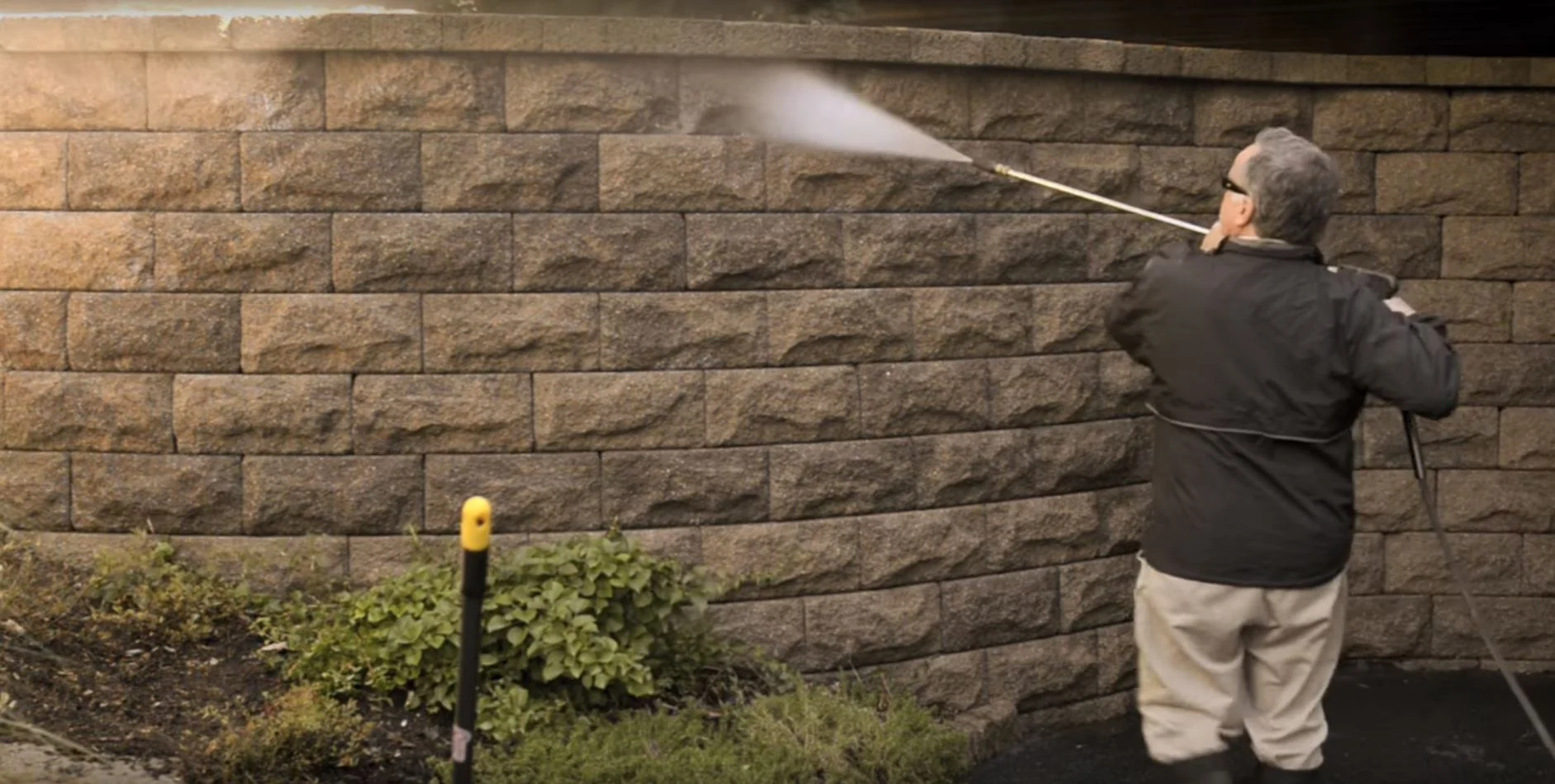
Professional cleaning begins with treating organic growth using surface-safe solutions. These break down algae and mildew at the root.
Low-pressure rinsing and surface cleaners then remove buildup evenly without damaging the wall or surrounding landscaping.
The result is a cleaner wall that dries properly and resists future growth.
Removes moisture-holding buildup.
Eliminates dark streaks and staining.
Allows walls to dry properly.
Gentle methods prevent surface damage.
Professional cleaning is effective for:
Each material is cleaned using an appropriate method.
Most retaining walls benefit from professional cleaning every 1–2 years. Walls in shaded or high-moisture areas may need more frequent service.
Routine cleaning prevents heavy buildup and structural stress.
DIY cleaning often focuses on visible stains but misses embedded growth. Overuse of pressure can cause permanent damage.
Professional cleaning ensures even results while protecting the wall’s integrity.
Retaining walls frame landscapes. When they’re clean, plants, hardscapes, and walkways look more polished and intentional.
Dirty walls, on the other hand, make even well-designed landscapes feel neglected.
Professional methods remove growth at the root instead of spreading residue. This slows regrowth and keeps walls cleaner longer.
Correct technique also avoids damage that attracts future staining.
Waiting until walls look heavily stained makes cleaning more aggressive and costly. Preventative cleaning keeps maintenance predictable and affordable.
It’s easier to protect retaining walls than to repair or replace them.

If retaining walls are covered in algae, dirt, or stains, professional retaining wall cleaning can restore their appearance and protect their structure.
Schedule a free consultation today and keep your retaining walls clean, strong, and visually appealing.
Give your home or business the care it deserves. Request a free quote now and let Dirt Defense provide spotless results with unmatched reliability.